Is your leadership team ready for today's workplace—or just enduring the status quo?
The answer can make or break your culture. Current work settings, multi-generational crews, and rapid market transformations necessitate a more comprehensive approach than outdated management tactics. Today’s leaders must be adaptable, empathetic, and decidedly people-centered.
You walk into your local airport terminal. It’s bustling, slightly chaotic—but in a good way. Bags are moving, flight announcements are clear, and staff greet you with energy. Now pause and ask yourself: Who’s behind that smooth operation? Not just the frontline staff but the people guiding them—the leaders who set the tone, keep things calm under pressure, and adapt on the fly.
That’s the type of leadership modern organizations require. And that’s where management and leadership training for enterprises makes the difference—helping large, complex organizations build adaptable, people-centered leaders at scale. Leadership isn’t about ranking or hierarchy anymore—it’s about adaptability, empathy, and people-first decision-making.
And that’s exactly what Everything DiSC® Management delivers—CXE’s signature, evidence-based program precisely built for today’s fast-paced leadership demands. Unlike off-the-shelf training, this is a fully personalized experience—designed as customized management and leadership training programs that adapt to individual behaviors, team dynamics, and organizational goals.
What Is Management & Leadership Training?
Management & leadership training is a structured professional development program designed to help managers and leaders build skills in decision-making, communication, people management, and strategic leadership. Modern programs combine behavioral science, real-world scenarios, and continuous reinforcement to improve leadership effectiveness across organizations.
Management & Leadership Training at a Glance
-
Personalized DISC-based leadership development programs
-
Designed for managers, senior leaders, and enterprise teams
-
Improves employee engagement, retention, and team performance
-
Available as online, in-person, and hybrid training formats
Why Traditional Management & Leadership Training Doesn’t Cut It
Picture a typical leadership boot camp: PowerPoint slides, bullet points, buzzwords.
A few days later:
-
70% of the content is forgotten within 24 hours (Ebbinghaus).
-
People walk away with ideas—but no plan to put them into action.
-
Training lives in binders, not in behaviors.
That’s a recipe for management that sounds good, but doesn’t do well. Today’s organizations demand something different: leaders who adjust their style to suit individuals, environments, and evolving scenarios. The “one-size-fits-all” approach simply no longer works.
The Personal Touch That Makes DISC Better
Leadership is personal. That’s why CXE’s Everything DiSC® Management isn’t just another management & leadership training program—it’s a personalized journey that transforms theory into practical, repeatable behaviors.
Participants go through:
-
Self-Reflection – A DISC assessment to reveal their leadership tendencies.
-
Peer Insight – Feedback from colleagues on how they come across.
-
Multi-Dimensional Understanding – Tools to manage themselves, their teams, and even upward alignment.
-
Realistic Role-Play Scenarios – From performance feedback to conflict resolution, leaders learn to adapt in real time.
Four DISC Styles—and How to Lead Them
-
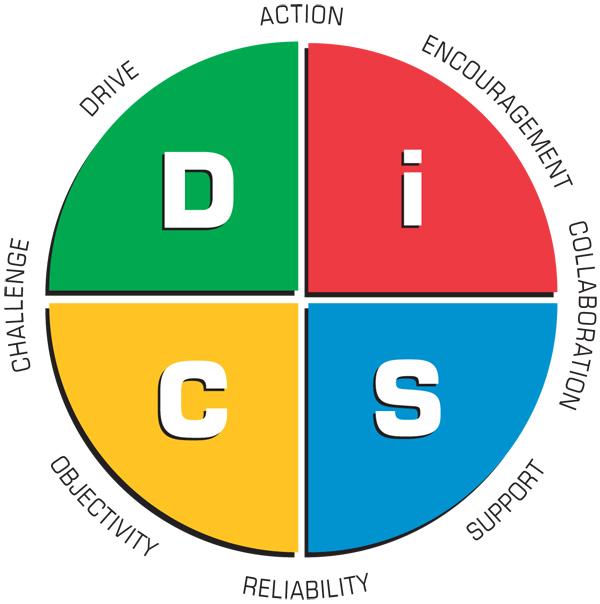
D (Dominance): Decisive and results-focused → Balance urgency with support.
-
I (Influencer): Enthusiastic and people-oriented → Channel energy into structured goals.
-
S (Steady): Calm and stable → Gently push them to lead with consistency.
-
C (Conscientious): Analytical and quality-driven → Encourage delegation and collaboration.
Everything DiSC equips leaders to recognize these styles and apply the right leadership response—making management & leadership training stick in the real world.
Real-Time adaptability = Faster Impact
Imagine this scenario:
You’re a retail regional manager overseeing hybrid stores with multigenerational staff. Each group reacts differently to schedule changes and tech glitches.
With DISC insights, you can pivot: quick motivation for your “D” and “I” team members, structured clarity for your “S” and “C” team. The results? Less confusion, better morale, stronger performance—sometimes in a single day.
That’s the impact of adaptive leadership in action.
Reinforcement That Works
CXE ensures customer service training doesn’t end in a workshop:
-
Interactive DISC workshops
-
Micro-learning modules
-
Peer coaching check-ins
-
Digital nudges for reinforcement
-
Real-time LMS tracking
This ecosystem keeps learning active and measurable—turning management skills into leadership habits.
Why Management & Leadership Training Pays Off for Performance, Retention & Growth
Done right, leadership training programs for organizations aren’t just HR initiatives—they’re business accelerators. Modern corporate management and leadership training solutions directly impact engagement, profitability, and long-term performance:
-
70% of team engagement variance is tied to manager effectiveness (Gallup).
-
Organizations in the top quartile of engagement are 21% more profitable (Gallup).
-
Active manager involvement makes onboarding 3.5 times more effective and boosts satisfaction 2.6 times (Gallup).
These aren’t abstract numbers—they’re proof that investing in leadership training drives measurable ROI.
Key Benefits of Management & Leadership Training for Teams and Organizations
Management and leadership training delivers measurable impact across every level of an organization. Beyond improving performance, it lays the foundation for a resilient, people-first workplace culture.
Here’s how effective leadership development makes a difference:
-
Improves Employee Engagement and Retention
Trained managers know how to motivate teams, reduce turnover, and foster long-term loyalty.
-
Builds Future-Ready Leaders
Programs focused on strategic thinking and adaptability prepare emerging leaders for evolving business challenges.
-
Enhances Communication and Collaboration
Leadership training strengthens interpersonal and cross-functional communication, creating more cohesive teams.
-
Strengthens Performance Management
Leaders learn how to set clear goals, give constructive feedback, and align efforts with company objectives.
-
Aligns Leadership Behavior with Company Culture
Consistent values-based leadership ensures alignment across teams and departments.
Online vs. In-Person Management & Leadership Training: Pros, Cons & Outcomes
Today’s organizations are adopting hybrid learning models that blend the best of both worlds, in-person workshops and eLearning solutions.
Modern management and leadership training programs often include:
-
Virtual eLearning modules for self-paced development and micro-learning.
-
Interactive workshops that bring concepts to life through real-world scenarios.
-
Digital coaching and feedback tools to personalize growth journeys.
This flexible approach helps busy managers and remote teams build leadership skills anytime, anywhere—while still maintaining the depth and connection of in-person learning.
Whether delivered online, face-to-face, or in a blended format, the goal remains the same: to build confident, emotionally intelligent leaders ready for the modern workplace.
Who Should Take Management & Leadership Training: Managers, Leaders & Emerging Talent
Effective leadership isn’t limited to executives—it’s a skill every level of management can master.
This training is ideal for:
-
Management and Leadership Training for Mid-Level Managers
Management and leadership training for mid-level managers who want to build confidence, strengthen people management skills, and lead teams effectively.
-
Team Leaders and Supervisors
Team leaders and supervisors looking to improve communication, coaching, and motivation.
-
Leadership Development Training for Senior Managers and Department Heads
Leadership development training for senior managers and Department heads preparing for strategic, executive, or enterprise-level leadership roles.
-
HR and L&D Professionals
HR and L&D professionals who need to design leadership frameworks and performance development plans.
By equipping every layer of leadership with adaptive skills, organizations create a consistent, growth-oriented culture that scales with business success.
Modern Workplace Challenges That Demand New Leadership and Management Skills
Today’s leaders face a work environment unlike any other in history. Traditional command-and-control management doesn’t work in a world shaped by remote work, hybrid teams, AI disruption, and rising employee expectations.
Some of the most pressing challenges include:
-
Remote & Hybrid Teams – Managers must adapt communication and trust-building for distributed staff.
-
AI Disruption – Leaders must balance tech adoption with empathy-driven decision-making.
-
Burnout & Mental Health – Employee engagement suffers when managers don’t recognize signs of stress.
-
Multigenerational Teams – Boomers, Gen X, Millennials, and Gen Z all respond to leadership in different ways.
-
DEI Expectations – Inclusive leadership is no longer optional; it’s the foundation of workplace culture.
Leadership Case Studies: Success vs. Stagnation
Failed Leadership Example:
A global retail chain relied on outdated training that focused only on policies and procedures. Managers struggled with hybrid schedules, and turnover increased over the course of a year.
Adaptive Leadership Success:
A hospitality group implemented a leadership development program using DISC training. Within six months:
- Employee engagement rose by 18% (Gallup benchmark).
- Customer satisfaction scores improved by 12%.
- Turnover decreased by 15%, resulting in significant savings on recruitment costs.
Expert Voices on Leadership Effectiveness
“Leadership is no longer about authority—it’s about adaptability, empathy, and trust.” – CXE Senior Trainer.
According to Harvard Business Review, leaders who adapt their style to individual team members improve performance outcomes by up to 30%.
Forbes highlights that empathetic leadership enhances retention and fosters a stronger culture.
Gallup research indicates that managers directly influence 70% of employee engagement.
Common Leadership Mistakes Holding Teams Back from High Performance
Even experienced managers fall into traps that erode team performance:
-
Micromanagement – Reduces employee trust and innovation.
-
Lack of Empathy – Ignoring burnout or stress undermines engagement.
-
Rigid Management Styles – Fails to address the needs of hybrid or multigenerational teams.
-
Avoiding feedback weakens accountability and growth.
-
Overreliance on hierarchy discourages collaboration and initiative.
Adaptive leadership training helps managers avoid these pitfalls by teaching them how to adapt their style to different situations.
Comparison: Traditional Training vs. DISC-Based Leadership Development Programs
|
Aspect |
Traditional Training |
DISC Leadership Training (CXE) |
|
Approach |
One-size-fits-all workshops |
Personalized, adaptive, people-centered |
|
Knowledge Retention |
70% forgotten within 24 hours (Ebbinghaus) |
Reinforced through micro-learning & coaching |
|
Application |
Theoretical; limited real-world use |
Practical scenarios + role play for hybrid teams |
|
Adaptability |
Focus on generic skills |
Focus on flexible, modern leadership skills |
|
Long-Term Impact |
Minimal culture shift |
Lasting change in workplace culture & engagement |
DISC-based management & leadership training focuses on behavior change, not just knowledge retention.
How to Implement Management & Leadership Training Effectively Across Teams
Knowing that leadership training drives ROI is one thing—making it work in your organization is another. Here’s a step-by-step framework rooted in CXE’s DISC-based approach:
1. Assess Current Leadership Gaps
Start with an honest audit of leadership capabilities. Use surveys, performance data, and peer feedback to pinpoint where skills like communication, adaptability, or conflict resolution are lacking.
2. Personalize the Training Experience
Generic workshops fail because they don’t address individual styles. Tools like Everything DiSC® identify natural leadership tendencies, ensuring each manager develops strategies tailored to their strengths and blind spots.
3. Embed Real-World Scenarios
Move beyond theory by integrating role-play and simulations that mirror daily challenges—whether it’s handling multi-generational teams, resolving conflict, or navigating hybrid work environments.
4. Reinforce Through Continuous Learning
Leadership isn’t mastered in a single session. Reinforcement through micro-learning, peer coaching, and digital nudges ensures that lessons become lasting behaviors.
5. Measure and Adjust
Track progress using engagement metrics, team performance data, and feedback loops. A strong program adapts—just like the leaders it develops.
By following these steps, organizations not only build better leaders—they create a sustainable leadership culture that drives measurable impact.
Where CXE Brings DISC to Life
CXE delivers leadership training services for corporate teams by integrating Everything DiSC® into real industry contexts:
Hospitality:
Housekeeping leads adapt to tense guest interactions with empathy and clarity.Transportation:
Gate agents use DISC insights to keep operations smooth under stress.Retail:
Store managers coach Gen Z employees to leverage their style strengths for better service.
By tailoring scenarios to industries, CXE ensures training feels real, practical, and immediately applicable.
Leadership Skills Employers Look for in 2026 and Beyond
The definition of effective leadership is changing fast. In 2025 and beyond, organizations are no longer looking for managers who simply oversee tasks—they need leaders who can navigate uncertainty, inspire people, and make smart decisions in complex environments.
Here are the most in-demand leadership skills employers are prioritizing in 2025–2026:
-
Adaptive Decision-Making
Modern leaders must think on their feet. With constant market shifts, AI disruption, and hybrid teams, effective managers adjust strategies quickly without losing clarity or direction. -
Emotional Intelligence (EQ)
Empathy, self-awareness, and emotional regulation are now core leadership capabilities. Leaders with high EQ build trust, manage conflict effectively, and sustain engagement—especially in remote and high-pressure environments. -
Coaching & Mentoring Mindset
Today’s managers are expected to develop people, not just direct them. Coaching-focused leadership improves performance, accelerates skill growth, and prepares future leaders from within the organization. -
Change Management Skills
From digital transformation to organizational restructuring, leaders must guide teams through change with confidence. The ability to communicate change clearly and reduce uncertainty is a defining leadership skill for the future workplace. -
Data-Informed Leadership
Successful leaders blend human judgment with data insights. Using engagement metrics, performance analytics, and feedback tools allows managers to make objective, strategic decisions rather than relying on instinct alone. -
Inclusive Leadership
Diverse, multigenerational teams require leaders who foster psychological safety and inclusion. Inclusive leadership improves collaboration, innovation, and long-term retention across all levels of the organization.
Management & leadership training programs that build these skills help organizations stay competitive while preparing leaders for what’s next—not what worked in the past.
Explore management & leadership training for your industry!
Management & Leadership Training for Different Industries and Business Models
While leadership principles are universal, their application varies across industries. Effective management and leadership training must be tailored to real-world challenges, environments, and workforce dynamics.
Here’s how industry-specific leadership training creates measurable impact:
Hospitality Leadership Training: Emotional Intelligence and Service Excellence in Guest-Facing Environments
Hospitality leaders operate in fast-paced, guest-facing environments where emotions run high. Training focuses on emotional intelligence, conflict resolution, and leading under pressure to ensure consistent service excellence.
Healthcare Leadership Development: Patient-Centered Management and High-Stress Team Coordination
Healthcare managers balance operational efficiency with compassion. Leadership training emphasizes communication, stress management, and team coordination—especially in high-stakes, patient-centric settings.
Retail Management Training: Frontline Leadership and Employee Engagement Strategies
Retail leaders manage high turnover, seasonal staff, and diverse customer interactions. Leadership development improves coaching skills, engagement strategies, and adaptability on the frontline.
Manufacturing Leadership Training: Safety Culture, Operational Excellence, and Process Accountability
In manufacturing, leadership training centers on safety culture, process accountability, and cross-functional collaboration. Managers learn how to lead diverse teams while maintaining productivity and compliance.
Corporate / Enterprise Leadership Training: Strategic Management and Organizational Change Leadership
Management and leadership training for enterprises focuses on strategic thinking, change leadership, and cross-department alignment. These programs prepare leaders to guide complex organizations through growth, transformation, and workforce change.
Transportation and Logistics Leadership Training: Crisis Management and Operational Decision-Making
Leaders in transportation and logistics operate under time pressure and operational risk. Training builds decision-making confidence, communication clarity, and crisis leadership capabilities.
Industry-aligned management and leadership training ensures that learning feels relevant, practical, and immediately applicable—driving stronger adoption and long-term behavior change.
Signs Your Organization Needs Leadership Training Now
Many organizations delay investing in leadership development and management training programs until performance declines or employee turnover rises. By then, leadership gaps have already impacted productivity, engagement, and overall business performance.
Early warning signs—such as poor communication, low morale, weak decision-making, and lack of strategic direction—signal the need for corporate leadership training and executive development programs. Acting early helps strengthen managerial effectiveness, improve team performance, and drive sustainable organizational growth.
Here are clear indicators your organization needs management and leadership training now:
1. High Employee Turnover and Poor Talent Retention Rates
When talented employees leave, poor management is often the root cause. Leaders who lack coaching, communication, or empathy skills struggle to retain their teams.
2. Low Employee Engagement Scores and Declining Workplace Morale
Disengaged teams signal disconnected leadership. Managers who don’t know how to motivate, recognize effort, or build trust directly impact productivity and morale.
3. Manager Burnout and Leadership Stress Overload
Burned-out managers create burned-out teams. Without proper leadership tools, managers become overwhelmed, reactive, and ineffective under pressure.
4. Poor Cross-Functional Collaboration and Organizational Silos
Silos and misalignment often stem from inconsistent leadership styles. Training helps managers communicate clearly and collaborate across functions.
5. Resistance to Organizational Change and Low Change Adoption
When teams resist new processes, technologies, or structures, leadership—not strategy—is usually the issue. Adaptive leadership training equips managers to lead change with confidence.
Addressing these challenges early through structured management and leadership training prevents long-term culture damage and strengthens organizational resilience.
Final Thoughts: Leadership That Lasts
The future of leadership belongs to managers who adapt, listen, and connect. Everything DiSC Management, powered by CXE’s proven methods, isn’t just a management and leadership training program—it’s a culture shift built on employee appreciation.
Everything DiSC® Management, powered by CXE’s proven approach, goes beyond traditional leadership development training. With DISC-based insights, on-demand eLearning, and practical workplace application, it equips managers and business leaders to improve communication, strengthen team dynamics, and drive measurable results.
If your current corporate leadership training feels outdated or disconnected from outcomes, it’s time to shift to a results-driven management & leadership training program that builds confident leaders—and lasting impact.
FAQs:
1. What core competencies are covered in advanced management & leadership training programs?
Advanced management & leadership training programs focus on management essentials, leadership principles, negotiation mastery, and strategy execution. Participants develop skills in organizational leadership, decision-making, performance management, and influence, enabling them to lead teams effectively while aligning business goals with execution and long-term growth.
2. How does management & leadership training prepare professionals for senior leadership roles and organizational change?
Management & leadership training prepares mid-career and senior professionals to lead change, set strategic direction, and align organizational systems for innovation. It strengthens capabilities in organizational renewal, change leadership, and strategic execution, enabling leaders to manage complexity, drive transformation, and sustain performance during periods of change.
3. How does CXE’s management & leadership training help professionals build influence and drive organizational impact?
CXE’s management & leadership training helps professionals build influence by strengthening leadership presence, negotiation skills, and strategic thinking. The programs emphasize driving team performance, executing strategy, and leading organizational change, enabling leaders to create measurable impact across their organizations and contribute positively to broader societal outcomes.
4. What is management and leadership training?
Management and leadership training programs are structured initiatives designed to develop essential skills in decision-making, team management, communication, and strategic thinking. These programs help professionals, supervisors, and executives lead teams effectively, achieve organizational goals, and enhance workplace performance. Modern corporate leadership training also focuses on practical leadership skills applicable in real-world business scenarios.
5. Why is leadership training important for managers?
Leadership training for managers equips them with critical abilities like conflict resolution, motivation, delegation, and influencing team dynamics. By improving leadership skills, managers drive higher employee engagement, stronger team performance, and overall business success. Investing in leadership development training ensures your organization builds capable, results-oriented leaders.
6. What skills are taught in management training programs?
Management training programs typically teach problem-solving, project planning, time management, performance evaluation, and communication. Many also include leadership skills training such as coaching, emotional intelligence, and team motivation strategies—preparing managers to lead confidently and inspire their teams.
7. What’s the difference between management training and leadership training?
Management training focuses on processes, planning, performance management, and operational efficiency. Leadership training emphasizes vision, strategic thinking, emotional intelligence, and team motivation. Combining both helps professionals develop strong execution skills along with the ability to inspire and lead teams effectively.
8. Who should attend management and leadership training?
These programs are ideal for team leaders, supervisors, managers, executives, and high-potential employees preparing for promotion. They are also beneficial for first-time managers and professionals seeking executive leadership coaching to strengthen decision-making and people management skills.
9. What are the benefits of leadership development training?
Leadership development training improves team productivity, employee engagement, retention, decision-making, and workplace culture. It builds essential skills such as communication, conflict resolution, and strategic leadership for long-term organizational success.
10. How long does management and leadership training take?
Programs range from one-day workshops to multi-month corporate leadership development courses. Many organizations combine training with ongoing coaching and mentorship to ensure lasting leadership growth and measurable business results.